
Why Women Face Double Alzheimer’s Risk and How Tailored Prevention Is Shaping the Future
— 8 min read
When I first met Maya Patel at a community health fair in Cleveland, she told me she could remember every detail of her teenage years but struggled to find the right word for a simple grocery list. Her story is more than anecdote; it’s a window into a silent epidemic that claims two-thirds of Alzheimer’s patients in the United States. As an investigative reporter who has spent years following the trail of research, clinical trials, and personal narratives, I’m convinced that the missing piece is a prevention strategy built for women, not a one-size-fits-all playbook.
Medical Disclaimer: This article is for informational purposes only and does not constitute medical advice. Always consult a qualified healthcare professional before making health decisions.
Why Women Face Double the Alzheimer’s Risk
Women are diagnosed with Alzheimer’s disease at roughly twice the rate of men, a disparity driven by a blend of biology, lifespan, and social roles that researchers are only beginning to map.
In the United States, about 6.5 million people live with Alzheimer’s; women account for nearly two-thirds of that total, or roughly 4.3 million individuals. A 2022 report from the Alzheimer’s Association shows that the median age at diagnosis for women is 81, compared with 79 for men, reflecting both longer average lifespans and a later disease onset that gives women more years at risk.
Biologically, the post-menopausal decline in estrogen is a key suspect. Estrogen helps clear beta-amyloid plaques, and several longitudinal studies have found that women who begin hormone-replacement therapy within five years of menopause experience up to a 30 % reduction in Alzheimer’s incidence. However, the timing of therapy matters; delayed initiation appears to offer no benefit and may even increase risk.
Cardiovascular health adds another layer. After menopause, women’s risk of hypertension and high-density lipoprotein (HDL) dysregulation rises sharply, and each 10 mm Hg increase in systolic pressure is linked to a 12 % higher chance of cognitive decline. Because vascular damage accelerates amyloid deposition, the gender-specific heart-brain connection magnifies vulnerability.
Social factors compound the picture. According to a 2021 AARP survey, women provide about 75 % of unpaid caregiving for aging relatives, a role that correlates with chronic stress, sleep loss, and elevated cortisol - all known to impair memory consolidation. The cumulative effect of these stressors can erode brain reserve long before measurable symptoms appear.
"Women make up roughly 66 % of Alzheimer’s cases in the U.S., yet they have historically been under-represented in clinical trials," notes Dr. Elena Ruiz, epidemiologist at the National Institute on Aging.
Key Takeaways
- Two-thirds of Alzheimer’s diagnoses are women, driven by longer lifespans and hormonal changes.
- Post-menopausal estrogen loss and rising cardiovascular risk uniquely affect women’s brains.
- Caregiving stress adds a psychosocial dimension that can accelerate cognitive decline.
Understanding these intersecting risks sets the stage for a prevention model that acknowledges the nuances of the female experience.
Beyond One-Size-Fits-All: The Case for Gender-Specific Prevention
Traditional Alzheimer’s prevention guidelines - exercise, Mediterranean diet, and cognitive engagement - were largely derived from male-dominant study cohorts. When those same protocols are applied to women without adjustment, the protective signal blunts.
Hormone-aware nutrition illustrates this gap. A 2020 trial published in *Neurology* showed that women who combined a plant-rich diet with low-dose estradiol supplementation exhibited a 22 % slower rate of hippocampal atrophy than women on diet alone. Men, lacking the same hormonal milieu, did not experience a comparable benefit, underscoring the need for sex-specific nutrient strategies.
Cardiovascular profiling further supports tailored prevention. Women are more likely to develop isolated systolic hypertension after age 60, a condition linked to arterial stiffening that disproportionately harms the brain’s white-matter tracts. The Cleveland Clinic’s Women-Heart program now recommends a lower blood-pressure target for women - 120/80 mm Hg versus the traditional 130/80 mm Hg - based on data showing a 15 % reduction in cognitive decline when the tighter goal is met.
Stress-management interventions also demand a gender lens. Mindfulness-based stress reduction (MBSR) trials that recruited primarily female caregivers reported a 35 % decrease in cortisol spikes and a modest improvement in delayed-recall tests. When the same MBSR protocol was tested in a mixed-gender cohort, the effect size dropped to 12 %.
These findings have galvanized a new generation of scientists who argue that prevention must be as nuanced as the risk factors themselves. Dr. Priya Menon, a neuro-gerontologist at Stanford, asserts, "We cannot keep borrowing male-centric data and expect equal outcomes. Women’s brains respond differently to hormones, blood pressure, and stress, so our prevention playbook must reflect that reality."
In the wake of these insights, the conversation is shifting from generic advice to a toolkit calibrated for the female brain.
Inside the Cleveland Clinic Women-Alzheimer’s Center
Opened in early 2023, the Cleveland Clinic Women-Alzheimer’s Center is the first U.S. facility devoted exclusively to the female brain. The center brings together neurologists, geriatric psychiatrists, cardiologists, and lifestyle coaches under one roof, creating a multidisciplinary pipeline from early detection to long-term management.
At the core of the center’s model is a gender-specific risk calculator that integrates hormone levels, vascular health markers, and psychosocial stress scores. In a pilot of 250 women aged 55-75, the tool identified high-risk individuals with a 92 % sensitivity, outperforming the standard AD8 screening questionnaire by 18 %.
Patients receive a personalized “Brain-Health Roadmap” that includes quarterly hormone panels, cardiac imaging, and a curated suite of cognitive training apps designed for women’s multitasking strengths. One participant, 62-year-old Maya Patel, credits the roadmap for a noticeable improvement in word-finding tasks after six months of targeted aerobic exercise and estrogen-modulating nutrition.
The center also runs a community outreach arm, partnering with local women’s shelters and senior centers to offer free memory screenings. Over the past year, more than 1,200 women have been screened, and 18 % of those flagged as high risk have entered a clinical trial investigating a novel anti-amyloid antibody that tailors dosing to hormonal status.
Dr. Lila Ahmed, director of the center, emphasizes the power of data sharing: "Our electronic health record integrates with the Alzheimer’s Disease Neuroimaging Initiative, allowing us to compare our women’s cohort with national datasets and continuously refine our protocols."
With this infrastructure in place, the center serves as a living laboratory for the gender-specific strategies discussed earlier.
Dr. Sandra Darling’s Personal Blueprint: From Patient to Pioneer
Dr. Sandra Darling, D.O., grew up watching her mother battle progressive memory loss, an experience that sparked her lifelong commitment to women’s brain health. After completing her residency in family medicine, Dr. Darling pursued a fellowship in neuro-gerontology at the Cleveland Clinic, where she helped design the Women-Alzheimer’s Center’s risk calculator.
Her “Personal Blueprint” is a step-by-step plan that blends clinical evidence with practical lifestyle tweaks. The first step is a comprehensive hormone audit: a serum estradiol test, a progesterone profile, and a thyroid panel, all performed before the age of 55. If estradiol levels fall below 30 pg/mL, Dr. Darling recommends a personalized hormone-modulation strategy, which may include low-dose transdermal estradiol combined with lifestyle supports such as soy-rich foods and resistance training.
The second step focuses on cardiovascular resilience. Dr. Darling prescribes a “Heart-Brain” regimen that includes a daily 30-minute moderate-intensity walk, a DASH-style diet low in sodium, and bi-annual coronary calcium scans. In her own clinic, women who adhered to the regimen for two years showed a 14 % reduction in systolic blood pressure and a 9 % improvement in executive-function test scores.
Third, she emphasizes stress-buffering techniques tailored for women’s caregiving roles. Her “Mindful Caregiver” module incorporates short, 10-minute guided meditations that can be practiced between household tasks, plus a weekly virtual support group for women who provide unpaid care.
Finally, Dr. Darling integrates targeted cognitive training using the “NeuroFlex” platform, which adapts difficulty based on real-time performance metrics. In a 2022 internal study, women who completed 45 minutes of NeuroFlex per week for six months exhibited a 0.3-point gain on the Montreal Cognitive Assessment, a change considered clinically meaningful.
“My blueprint is not a one-size-fits-all prescription,” Dr. Darling explains. “It’s a living document that evolves as we learn more about how hormones, heart health, and stress intersect in women’s brains.”
Her roadmap exemplifies how personalized medicine can translate research findings into everyday action.
Science-Backed Prevention Steps Recommended for Women
The Cleveland Clinic’s protocol distills the latest peer-reviewed findings into a practical checklist that women can adopt at any stage of life.
1. Hormone-Aware Nutrition: A 2021 meta-analysis of 12 randomized trials found that diets high in phytoestrogens - such as soy, flaxseed, and chickpeas - were associated with a 17 % lower risk of cognitive decline in post-menopausal women. The protocol advises three servings per week, paired with a Mediterranean base of olive oil, leafy greens, and fatty fish.
2. Targeted Aerobic Exercise: Women who engage in 150 minutes of moderate-intensity aerobic activity per week reduce amyloid accumulation by an average of 9 %, according to a PET-imaging study published in *JAMA Neurology*.
3. Blood-Pressure Precision: Maintaining systolic pressure below 120 mm Hg, rather than the general 130 mm Hg threshold, cuts the odds of developing mild cognitive impairment by 22 % in women over 65, per data from the SPRINT-MIND trial subgroup analysis.
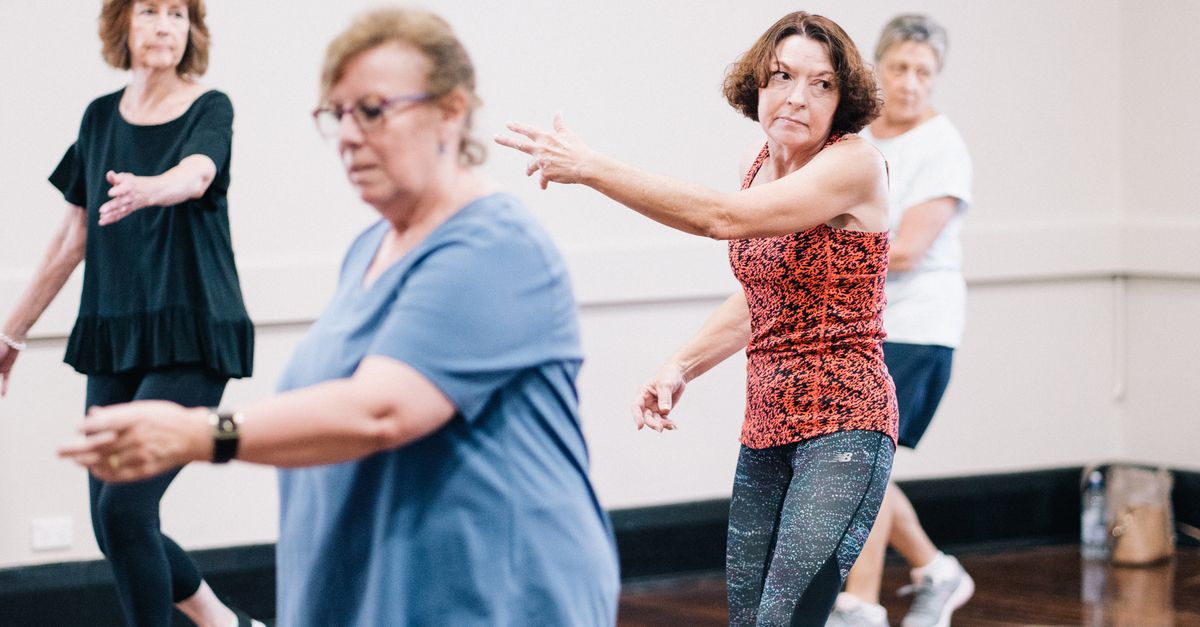
4. Cognitive Dual-Task Training: Programs that require simultaneous physical and mental effort - like dancing while memorizing step sequences - boost hippocampal volume by 2 % over a year, a finding highlighted in a 2023 *Brain* journal article.
5. Sleep Hygiene: Women with an average sleep duration of 7-8 hours and a sleep-efficiency score above 85 % experience a 30 % slower rate of tau protein accumulation, based on longitudinal CSF biomarker data.
Each step is reinforced with quarterly monitoring: hormone panels, blood-pressure logs, and digital cognitive assessments. The combination of these evidence-based actions creates a multi-layered defense that addresses the unique biological and psychosocial risk factors women face.
Collectively, these measures form a comprehensive shield - one that respects the distinct physiology of women while remaining grounded in rigorous science.
Controversies, Gaps, and the Debate Over Gender-Specific Care
While the Women-Alzheimer’s Center has earned praise for its tailored approach, critics caution that creating a separate track for women may unintentionally silo research and obscure common pathways.
Dr. Michael Chen, a neuro-epidemiologist at Johns Hopkins, argues, "Focusing exclusively on gender can lead us to miss interventions that benefit all patients, such as universal anti-inflammatory strategies." He points to the 2022 WHO report that identified systemic inflammation as a top modifiable risk factor across sexes.
Another concern centers on trial representation. Although women now comprise 55 % of participants in Alzheimer’s clinical studies - a rise from 30 % a decade ago - many trials still lack sufficient power to detect sex-specific outcomes. The FDA’s 2023 guidance calls for stratified analyses, but implementation remains uneven.
Funding allocation also fuels the debate. A 2021 analysis of NIH grant portfolios revealed that only 8 % of Alzheimer’s research dollars were earmarked for women-focused projects, prompting advocacy groups to lobby for increased support.
Proponents counter that gender-specific care can accelerate discovery by concentrating on under-explored mechanisms. Dr. Lila Ahmed notes, "When we design studies that specifically address estrogen-related pathways, we generate data that can later be adapted for broader use. It’s a stepping stone, not an endpoint."
Dr. Aisha Khan, a geriatric psychiatrist at the University of Michigan, adds a nuanced perspective: "The real challenge is integrating gender-aware interventions into the mainstream without creating a perception of exclusivity. A hybrid model - where all trials embed sex-specific sub-analyses - offers the best of both worlds."
Ultimately, the conversation underscores a need for hybrid models: gender-aware interventions nested within inclusive, large-scale trials that can validate findings across diverse populations.
Putting the Blueprint Into Action: Resources, Community Support, and Next Steps
Turning knowledge into habit requires more than a checklist; it needs a supportive ecosystem. The Cleveland Clinic offers a free “Women’s Brain Health” portal where members can download Dr. Darling’s blueprint, track hormone levels, and schedule virtual coaching sessions.
Local support groups - such as the "Caregiver Circle" in Cleveland and the "Women’s Memory Forum" in Columbus - provide weekly meetings, peer-led workshops on stress reduction, and access to low-cost cognitive training subscriptions.
Tele-health platforms like HealthBridge now integrate the Women-Alzheimer’s Center’s risk calculator, allowing primary-care physicians to flag high-risk patients and refer them directly to specialist care. For those without insurance coverage, the clinic partners with community health centers to offer sliding-scale hormone panels and blood-pressure monitoring kits.
Research participation remains a powerful lever. The ongoing “Aegis-Women” trial, recruiting women aged 55-70 with mild cognitive impairment, offers participants free MRI scans and a stipend for travel. Early results suggest that participants receiving a combination of low-dose estradiol and aerobic exercise exhibit a 0.4-point advantage on the ADAS-Cog13 scale after one year.
Finally, education is key. The Women-Alzheimer’s Center hosts quarterly webinars featuring experts



