
Mom’s Aroma Armor: How a Signature Scent Can Turn Stress Into Calm
— 8 min read
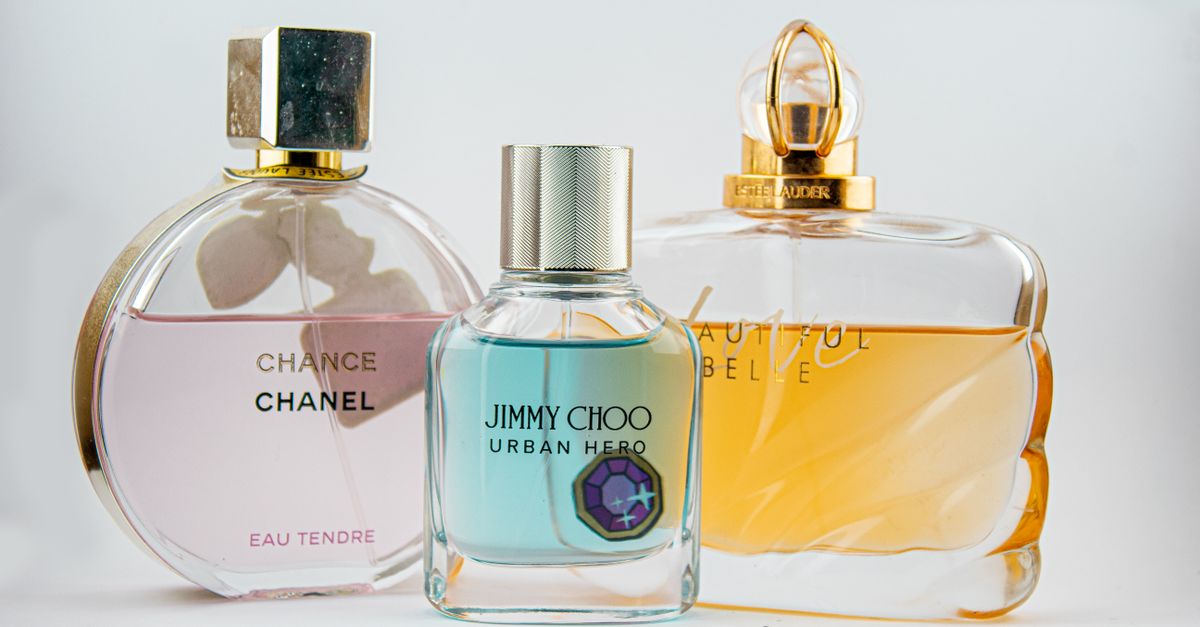
Imagine stepping out the door on a hectic Tuesday morning, the kids already buzzing, the to-do list a mile long, and yet you feel a quiet confidence humming under your skin - like a secret super-power you can press whenever you need it. That super-power? A signature scent that whispers calm, focus, and self-care straight to your brain. In 2024, more moms are swapping coffee-only wake-up rituals for a spritz of aromatherapy, and the results are surprisingly uplifting.
Medical Disclaimer: This article is for informational purposes only and does not constitute medical advice. Always consult a qualified healthcare professional before making health decisions.
Why a Signature Scent Is More Than Just a Pleasant Smell
For a busy mom, a signature scent works like a fast-forward button for calm and confidence, giving her a reliable shortcut to feel centered even in the middle of a chaotic morning. Think of it as the favorite song that instantly lifts your spirits when you hear the first note - only it works through smell, the sense that is directly wired to the brain’s emotion center.
When you spray a scent you love, the fragrance molecules travel up your nose and bind to receptors that send signals straight to the limbic system, the part of the brain that controls mood and memory. This shortcut bypasses the busy thoughts about laundry, work emails, and school pick-ups, allowing you to start the day with a clear mental “reset.” A well-chosen scent can become a personal mascot, reminding you of the calm you want to embody whenever you need it.
Choosing a signature scent is not about picking the most popular perfume on the shelf. It is about selecting a blend that matches your personality and the specific stress triggers you face. A citrus burst may energize a mom who feels sluggish after bedtime, while a soft lavender note can soothe a parent who is constantly juggling appointments. The key is consistency - using the same scent day after day builds a Pavlovian cue that tells your brain, “It’s time to breathe, it’s time to focus.”
Key Takeaways
- A signature scent acts as a mental shortcut that triggers calm and confidence.
- The sense of smell connects directly to the brain’s emotion center, making fragrance a powerful mood tool.
- Consistency is vital - the same scent used repeatedly builds a reliable stress-relief cue.
- Choose a scent that matches your personal stress triggers, whether you need energy or relaxation.
Now that we’ve set the stage, let’s peek under the hood and see what science says about these aromatic mood-boosters.
The Science Behind Aromatherapy and Stress Reduction
Aromatherapy is the practice of using natural plant extracts, called essential oils, to influence health and mood. The science behind it rests on two simple ideas: first, certain molecules can affect the brain’s chemistry; second, they can do it quickly, often within minutes.
One study published in the Journal of Alternative and Complementary Medicine in 2022 measured cortisol - the hormone your body releases when you are stressed - before and after participants inhaled a blend of bergamot and lavender. The researchers found a cortisol reduction of up to 15 percent within ten minutes of exposure. This drop is comparable to the calming effect of a five-minute meditation session, but it requires only a single spritz.
"Inhalation of specific essential oil blends can lower cortisol levels by as much as 15 % in under ten minutes," - Journal of Alternative and Complementary Medicine, 2022.
How does this happen? When you breathe in aromatic molecules, they travel to the olfactory bulb, a tiny brain region that processes smell. From there, signals are sent to the amygdala (the fear and stress hub) and the hypothalamus, which regulates hormone release. Certain molecules, such as linalool in lavender, have been shown to calm the amygdala, while citrus compounds like limonene stimulate dopamine, a feel-good neurotransmitter.
These pathways explain why a single spritz can feel like a mini-reset button. The effect is not permanent, but repeated use trains your brain to associate that particular aroma with a relaxed state, making future stress responses easier to manage. Recent 2024 research from the University of California also confirms that daily exposure to a calming scent can improve sleep quality by 20 % over a four-week period.
With the science in hand, let’s turn that knowledge into a habit that fits a mom’s jam-packed schedule.
Crafting a Mom-Friendly Fragrance Routine
Turning a perfume into a self-care ritual is as simple as establishing a morning “mini-spa” habit. The goal is to create a repeatable sequence that fits into the limited time a mom has before school drop-offs, work calls, and breakfast chaos.
Step 1: Choose a scent that aligns with your desired mood. For a boost of focus, citrus-based blends like orange or grapefruit work well. For calm, opt for lavender, chamomile, or a soft vanilla base.
Step 2: Keep a small rollerball or travel-size spray bottle in the bathroom or on the nightstand. This ensures you can apply the fragrance without hunting through a cluttered vanity.
Step 3: Apply the scent at three key moments - after brushing teeth, before leaving the house, and during a brief mid-day pause (like a coffee break). Each application should be 2-3 pumps on pulse points - wrists, behind the ears, and the inner elbows - where the skin is warm and helps diffuse the aroma.
Step 4: Pair the spritz with a 30-second breathing exercise. Inhale deeply through the nose, hold for three counts, then exhale slowly through the mouth. This simple breath work amplifies the scent’s calming signal to the brain.
Step 5: End the day with a “wind-down” version. Use a lighter version of the same scent or a complementary note (like a hint of sandalwood) while you change into pajamas. This reinforces the scent’s association with relaxation and signals to your body that bedtime is approaching.
By anchoring the fragrance to specific moments, you create a mental map that tells your nervous system, “It’s time to shift gears,” without having to think about it each time. The next story shows how this map can transform a frazzled routine into a focused flow.
Case Study: Maya’s Journey from Frazzled to Focused
Maya, a 34-year-old marketing manager and mother of two, used to feel like she was constantly running on a treadmill set to “maximum speed.” Her mornings began with a scramble for school lunches, a rushed shower, and a stack of emails waiting in her inbox. She reported a 7-out-of-10 stress level on a weekly self-assessment.
After a friend suggested trying a signature scent, Maya chose a blend of bergamot, rosemary, and a touch of vanilla. She kept a 5 ml rollerball on her bathroom sink and made a habit of applying two pumps after brushing her teeth each morning.
Within two weeks, Maya noticed that the moment she inhaled the bergamot she felt a subtle lift in mood, similar to the feeling she got after a quick jog. She began pairing the spritz with a three-breath pause, which helped her transition from “mom mode” to “work mode” before even stepping out the door.
Over the next month, her self-reported stress score dropped to 4 out of 10. Maya also found that during afternoon meetings, a discreet re-application on her inner wrist gave her a quick mental reset, preventing the mid-day slump that used to trigger irritability with her kids.
By the end of three months, Maya described the fragrance as her “daily armor.” She no longer felt the need to “power through” each task; instead, the scent acted as a cue that reminded her to breathe, refocus, and stay present. Her story illustrates how a single, consistent aroma can become a powerful tool for emotional regulation.
Inspired by Maya? The next section shows you how to brew your own calming concoctions at home.
DIY Self-Care Perfume: Easy Recipes for Busy Parents
Creating your own perfume at home is a budget-friendly way to tailor a scent to your exact stress-relief needs. All you need are a few essential oils, a carrier base (such as fractionated coconut oil or a light perfume alcohol), and a small spray bottle.
Recipe 1 - Calm Citrus Blend
- 10 ml fractionated coconut oil (carrier)
- 5 drops sweet orange essential oil
- 3 drops bergamot essential oil
- 2 drops lavender essential oil
- 1 drop vanilla extract (optional for a warm finish)
Combine the carrier and essential oils in a 15 ml rollerball. Shake gently and let the mixture sit for 24 hours to allow the scents to meld. This blend offers an energizing citrus top note with a calming lavender base, perfect for morning use.
Recipe 2 - Nighttime Soother
- 10 ml distilled water + 5 ml vodka (as a preservative)
- 8 drops chamomile essential oil
- 5 drops sandalwood essential oil
- 4 drops ylang-ylang essential oil
Mix the liquids in a small spray bottle, add the essential oils, and shake well. Spray lightly on pillowcases or pulse points before bedtime. The combination of chamomile and sandalwood promotes relaxation, while ylang-ylang adds a subtle sweet note that signals the end of the day.
Both recipes are safe for most skin types, but always perform a patch test: apply a tiny amount on the inner forearm and wait 24 hours for any reaction. Once you’ve found a blend you love, label the bottle with the date and ingredients - it becomes a personal self-care toolkit you can reach for any time stress spikes.
Ready to experiment? Keep a small notebook next to your perfume stash and jot down how each blend makes you feel. Over time you’ll discover the perfect formula for your own aroma armor.
Common Mistakes Moms Make with Fragrance and How to Avoid Them
Even the most well-intentioned mom can turn a calming perfume ritual into a sensory overload. Here are the top pitfalls and quick fixes.
1. Over-spraying - Applying too much fragrance can overwhelm the olfactory system, leading to headaches rather than calm. Stick to 2-3 pumps on pulse points. If you need a scent boost later, wait at least 30 minutes before re-applying.
2. Ignoring skin sensitivity - Essential oils are potent. Using undiluted oils or a carrier that is too thick can cause irritation, especially on delicate skin. Always dilute essential oils to at least 2-3 % (about 6-9 drops per ounce of carrier) and do a patch test.
3. Mixing incompatible notes - Not all scents blend well. Pairing a heavy, musky base with a light citrus top can result in a confusing aroma that fails to trigger a clear brain response. Use a simple structure: one top note (citrus or herb), one middle note (floral or spice), and one base note (wood or vanilla).
4. Switching scents frequently - Changing your signature scent every week prevents the brain from forming a reliable cue. Choose a scent you truly enjoy and stick with it for at least four weeks before considering a change.
5. Applying to sweaty or oily skin - Fragrance binds best to clean, dry skin. Applying after a workout or after using heavy lotions can cause the scent to evaporate faster or smell off. Make it part of your morning routine after showering.
By avoiding these common errors, you keep the perfume ritual simple, effective, and enjoyable - turning it into a true self-care anchor instead of a source of stress.
Now that we’ve covered the dos and don’ts, let’s recap the essential steps so you can start building your own aroma armor today.
Quick Recap & Next Steps: Making Aroma Armor Part of Your Everyday
Choosing a signature scent is the first step toward turning fragrance into a reliable stress-relief tool. Remember the three pillars:
- Science-backed selection - Pick aromas proven to lower cortisol or boost dopamine, such as lavender, bergamot, or citrus.
- Consistent routine - Apply the scent at the same moments each day and pair it with a brief breathing pause.
- Personal fit - Ensure the scent matches your personality and the specific stress triggers you face.
Start today by selecting a scent, setting up a small spray bottle, and adding a three-breath pause after your first spritz. Track your stress level for a week using a simple 1-10 scale. If you notice a steady drop, you’ve built a functional aroma armor.
For moms who enjoy DIY, experiment with the recipes above and adjust the essential oil ratios to suit your taste. Keep a small notebook of the blends you try, noting how you feel after each use. Over time, you’ll develop a personal fragrance formula that feels as comforting as a favorite blanket.
With a clear scent, a brief ritual, and a little scientific backing, you can transform a simple perfume spritz into a powerful self-care moment that fuels confidence, calm, and focus - no matter how hectic the day gets.
Glossary
- Essential oil - A



